

 subscribers
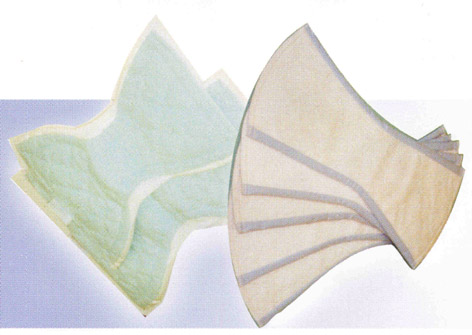
A range of reusable, shaped pads suitable for moderate to severe urinary incontinence. Two styles of pads are available. Designed for male or female adult use.
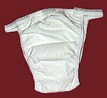
Washable and reusable pads to fit inside pants. Some are specially designed to fit in Elanettes pants. Available with / without water resistant material. Designed for both male and female use.

Male absorbent reusable rectangular pad with a one way polyester surface and an absorbent middle layer. It is designed to be doubled over at a central seam and used with a Pouch Pant. For moderate urinary incontinence. One size only.
Body shaped pads suitable for urinary incontinence. They can be worn with close fitting briefs. They consist of a stay dry soft chamois quilted inner surface, an absorbent inner layer and a waterproof outer surface. Gentle elastic around the leg sections prevents leakage. Available in small, medium and large sizes for both female and male use.
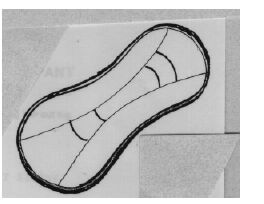
A range of reusable incontinence pads designed to assist in the management of mild to moderate urinary / faecal incontinence for both male and females. The pads are held securely in place with stretch mesh pants. The pads are contoured to body shape and consist of a waterproof outer layer, an inner absorbent layer and a soft cotton liner which is gentle to the skin.
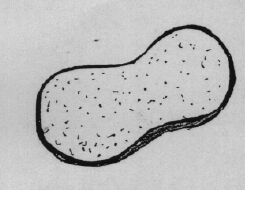
A range of reusable extra protection incontinence pads designed to be worn inside another pad, fitted garments or waterproof pants. The pads are contoured to body shape for both female and male. Suitable for mild to heavy double incontinence.
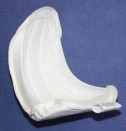
A large reusable absorbent pad with side "wings". Available in four sizes for both male and female use.
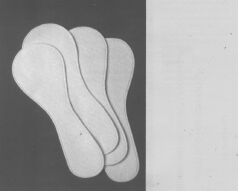
Reusable incontinence pads designed to assist in the management of mild urinary incontinence. The pads / inserts are made from an absorbent material that incorporates a brushed polyester surface which acts as a stay dry layer. Pads are contoured to the body shape and are designed for female and male use.
Copyright © 2009 Independent Living Centre NSW.
Site designed by the Human-Computer Interaction Laboratory, School of Computer Science and Engineering, University of New South Wales.