

 subscribers
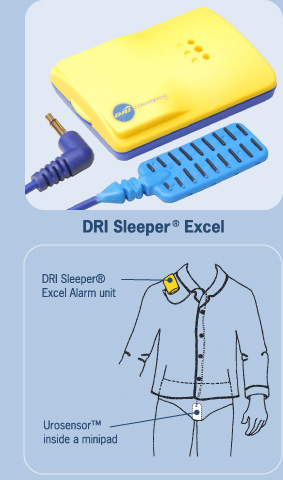
A battery operated bed wetting alarm, available in two models. The DriSleeper Excel model features an alarm box and a plug in Urosensor and cord. The Dri Sleeper Eclipse model features a Urosensor and wireless alarm receiver.
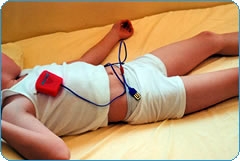
A range of enuresis alarms for different applications. Models include alarms with a single or multiple tones, alarms that are silent (vibratory) and alarms with a visual (flashing light) and also alarms which are a combination of these. There is also a wireless model and an alarm that delivers a recorded message that has been input by the user.
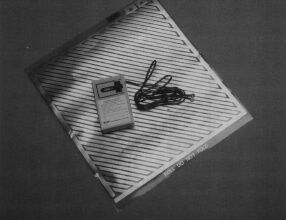
An alarm connected to a thin moisture sensitive sheet which reacts to the first drops of urine. Used for retraining of night time continence as the individual / child learns to wake when the urge to urinate is felt.
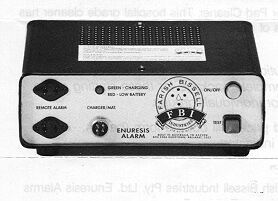
An enuresis alarm consisting of a sensor mounted in a rubber mat, and an alarm. The system is battery operated. Batteries need to be charged weekly. Complies with AS 2394 - 1980 (Reviewed 1991).
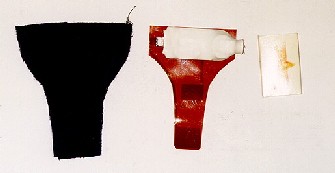
A simple radio controlled incontinence monitoring system which consists of a thin plastic reusable detector strip worn inside pants, disposable or cloth nappy and an alarm unit. The transmitter immediately detects the presence of urine as soon as a flow commences and sets off an audible alarm which wakes the child / adult. As soon as the user wakes, the urine flow ceases and prevents wetting the bed.

The Wet Pants Alarm is an electronic device which gives immediate feedback when an individual urinates into nappies or pants. It is designed as a tool to assist in a toilet training programme. This enuresis alarm alerts the wearer and/or carer that the pant or nappy has been wet.
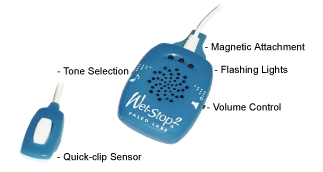
The Wet-Stop2 device is a behavioural modification system for the treatment of bedwetting in children. The battery operated device consists of an alarm unit attached to a sensor via a cable connection. The alarm unit is designed with magnetic tether attachment systems to be worn with pyjamas or shirt top. The sensor is designed with a quick clip jaw, allowing convenient attachment to a child's pyjamas bottoms or underpants.
Copyright © 2009 Independent Living Centre NSW.
Site designed by the Human-Computer Interaction Laboratory, School of Computer Science and Engineering, University of New South Wales.